One app to find the cheapest wayto order any meal in Saudi Arabia
Mohammed wanted to end the habit of checking seven delivery apps before ordering dinner. We designed and built DeliveryAI: one app that compares prices across platforms, finds the best combination for your basket and fits your diet.
Project in facts
- IndustryFoodTech
- ClientMohammed, Riyadh, Saudi Arabia
- TimelineAbout 6 months of active development
- Team5 people (CTO, UI/UX designer, backend developer, 2 frontend developers), with a partner AI team
- What we didUX/UI Design, Mobile Development
- StackFlutter (iOS & Android), AI, Python, Django, PostgreSQL, Railway
01. Where they started
In Saudi Arabia, people order food through seven different delivery apps, and the same cheeseburger can cost noticeably different amounts depending on where you order it. Finding the best deal means opening every app and comparing by hand.
Mohammed, based in Riyadh, wanted one app that does the comparing for you, and goes further: it should know your diet and allergies and only show meals that fit.
02. The hard part
Comparing one item is simple. Comparing a whole basket is not. A cheeseburger and a drink might be cheapest from two different platforms combined, and the app has to work that out in the moment you are hungry.
The project was split across two teams. A partner company had started earlier and owned the AI engine, the price data and the APIs; our team joined later to design and build the app people would actually use. The app could only be as good as the data underneath it.
03. What we built
Basket-level price comparison
Search for what you want and DeliveryAI shows where it is cheapest, then checks whether splitting your order across platforms brings the total down.
Ask DeliveryAI
A chat where you describe what you want, like a high-protein meal under a set budget, and get matching dishes from across the platforms.
Built around your diet
People enter their diet and allergies once, and the home screen, search and suggestions adapt to them. Every dish shows its dietary tags and macronutrients.
A clear, fast ordering flow
Categories, best deals and a clean dish page with ingredients and options, designed so comparing never slows down ordering.
Hands-on support for the data layer
When the data model behind the price engine needed rethinking, our CTO stepped in alongside the partner team to re-plan it, so the app and the engine could move forward together.
One Flutter app for iOS and Android
A single codebase for both platforms, backed by a Python and Django API on PostgreSQL, hosted on Railway and connected to the price engine.
04. What happened
We delivered the app experience: price comparison, AI search, diet-aware recommendations and a full ordering flow, designed and built for iOS and Android.
Accurate comparison at scale depends on live price data from the delivery platforms themselves, and on the market being open to a new player. When the major platforms chose not to share read-only price data and a heavily funded international competitor entered the market, Mohammed decided to pause the launch. The relationship continued: we work with Mohammed on other projects today.
05. What this means for you
If your product depends on data from other companies, that access is part of the plan, not a detail for later. We help you map which partners you need, what you need from each of them, and what the product can do before they say yes.
And if you are working with more than one team, you need someone who will look past their own part of the work. On DeliveryAI, that meant stepping into the data layer to help the whole project move.
Have an idea you want to build?
Book a free discovery call. We'll tell you honestly what it would take, what it costs, and whether it's the right time to build. No pressure.
Book a Free Discovery CallMore case studies
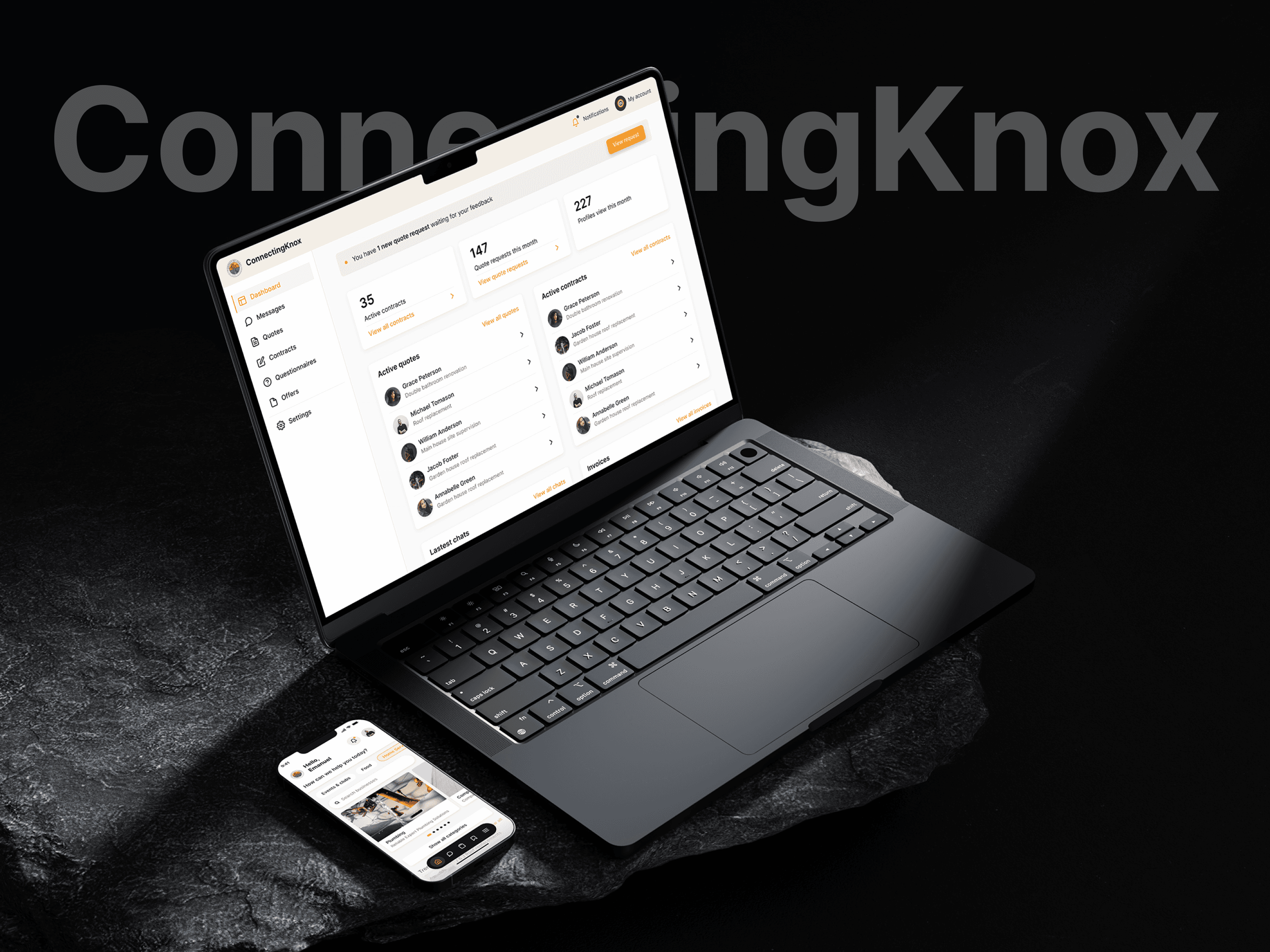
From an idea in Knoxville to a live community app with 130+ businesses
Two co-founders with no technical background wanted one place where Knoxville could find local events, restaurants and services. We took it from a conversation to the App Store and Play Store, with a verified business directory behind it.
Read the full story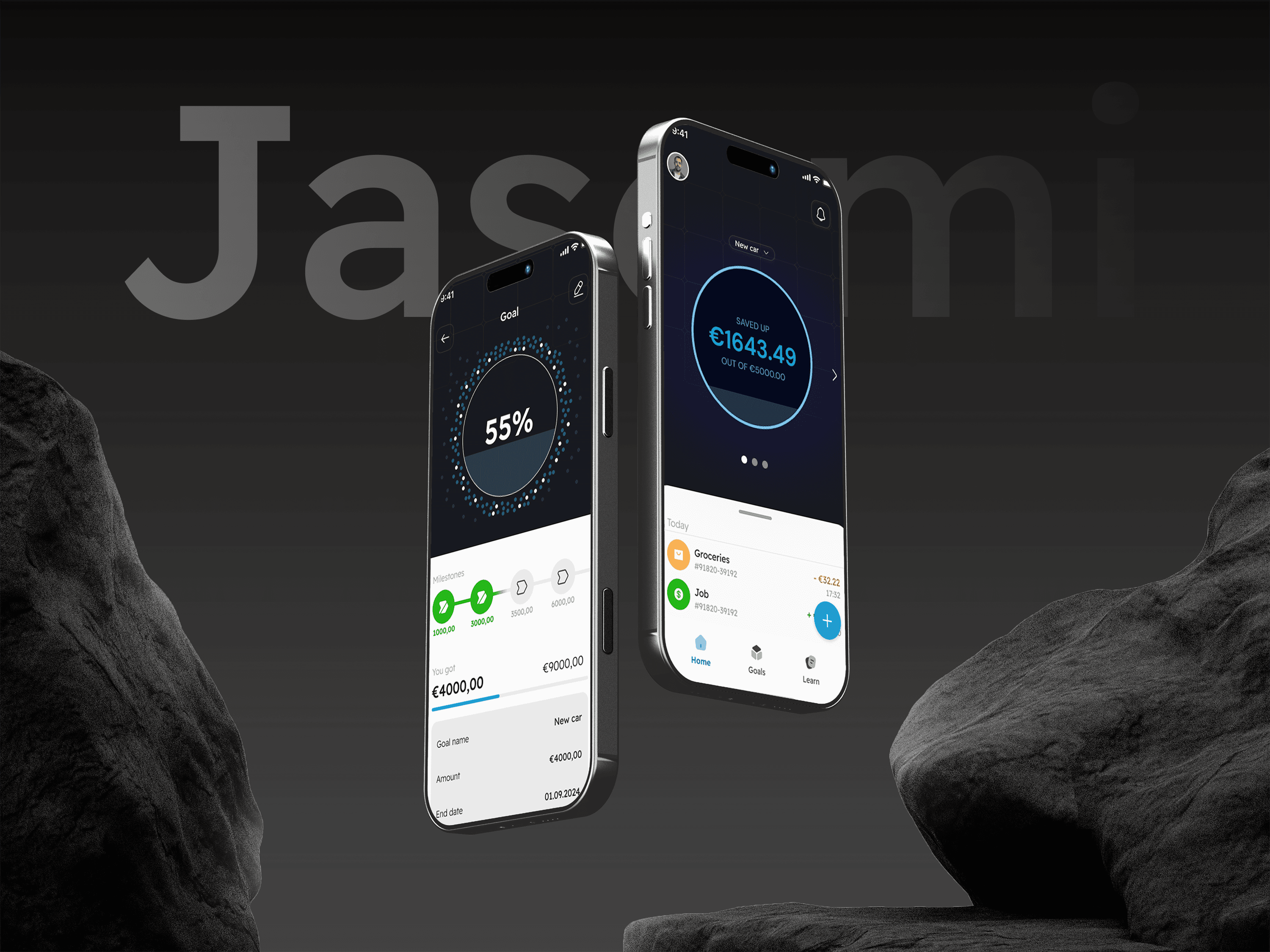
A budgeting app with identity verification built in from day one
Nico had a clear idea: help people organise their money and actually understand it. He did not have a developer. We ran discovery, designed the product and shipped a React Native app to both stores, with identity verification and bank account connection built in from day one.
Read the full story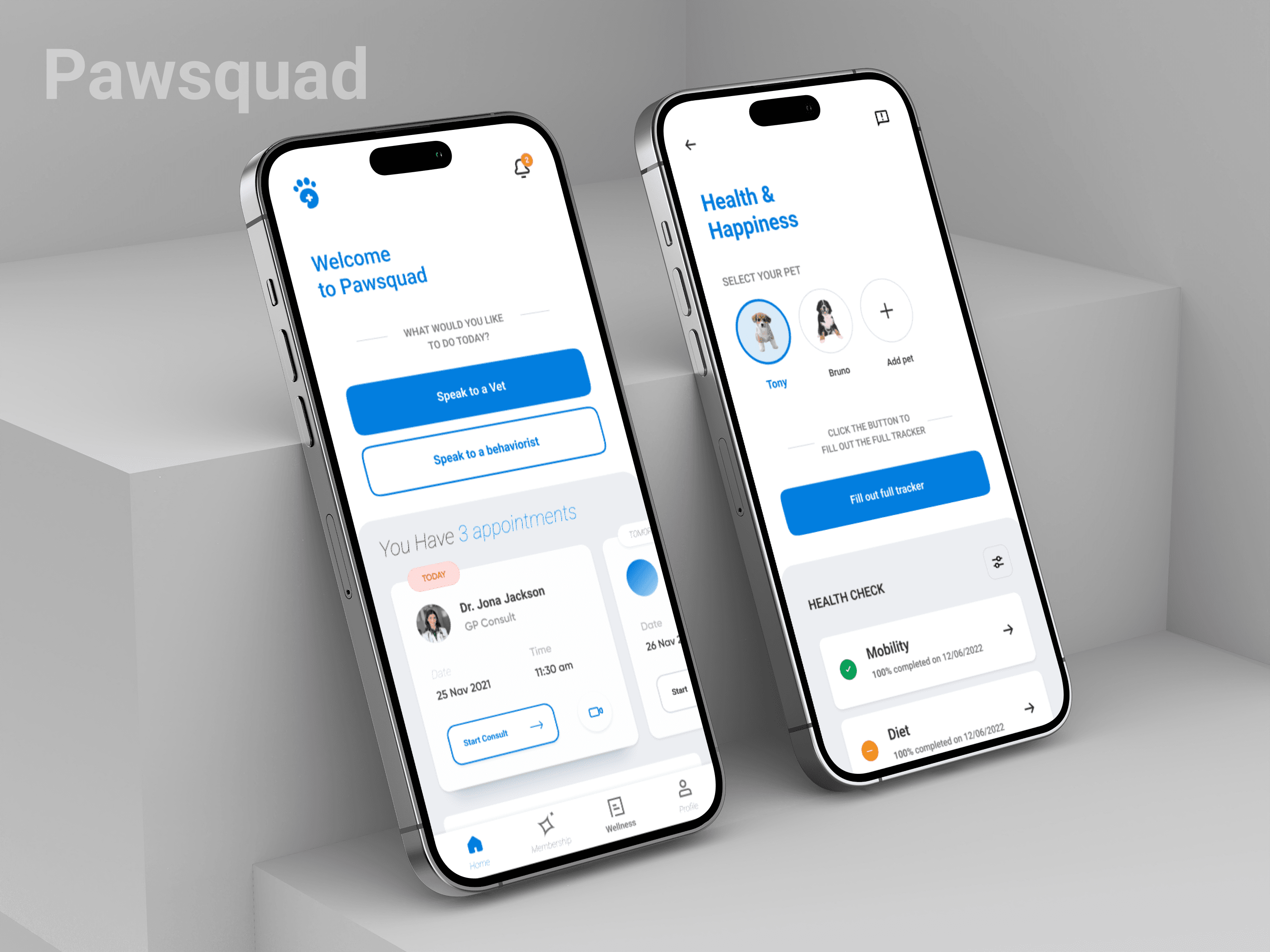
Rebuilding a veterinary telehealth platform that now serves 100,000+ pet owners
PawSquad already had customers and revenue. What it did not have was a platform that could keep up. We rebuilt the mobile app, the web app and the backend around the business that was already working, and stayed on as the team that keeps it growing.
Read the full story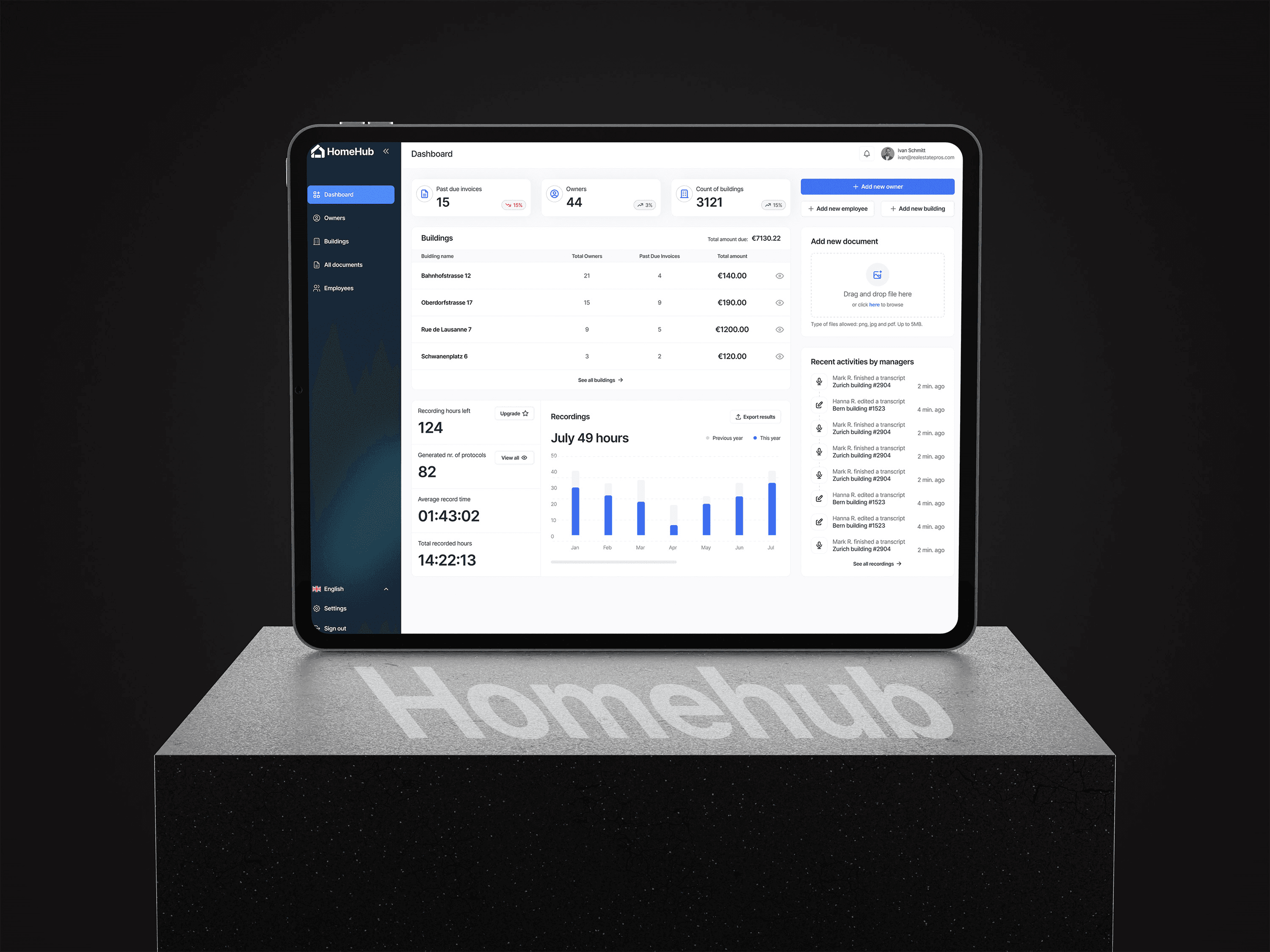
A property management platform that remembers every meeting
Martina knew exactly where her client’s process was breaking: promises made in long resident meetings kept getting lost. In about a month we turned that into user flows, 140+ designed screens, a clickable prototype and a database schema already written in code.
Read the full story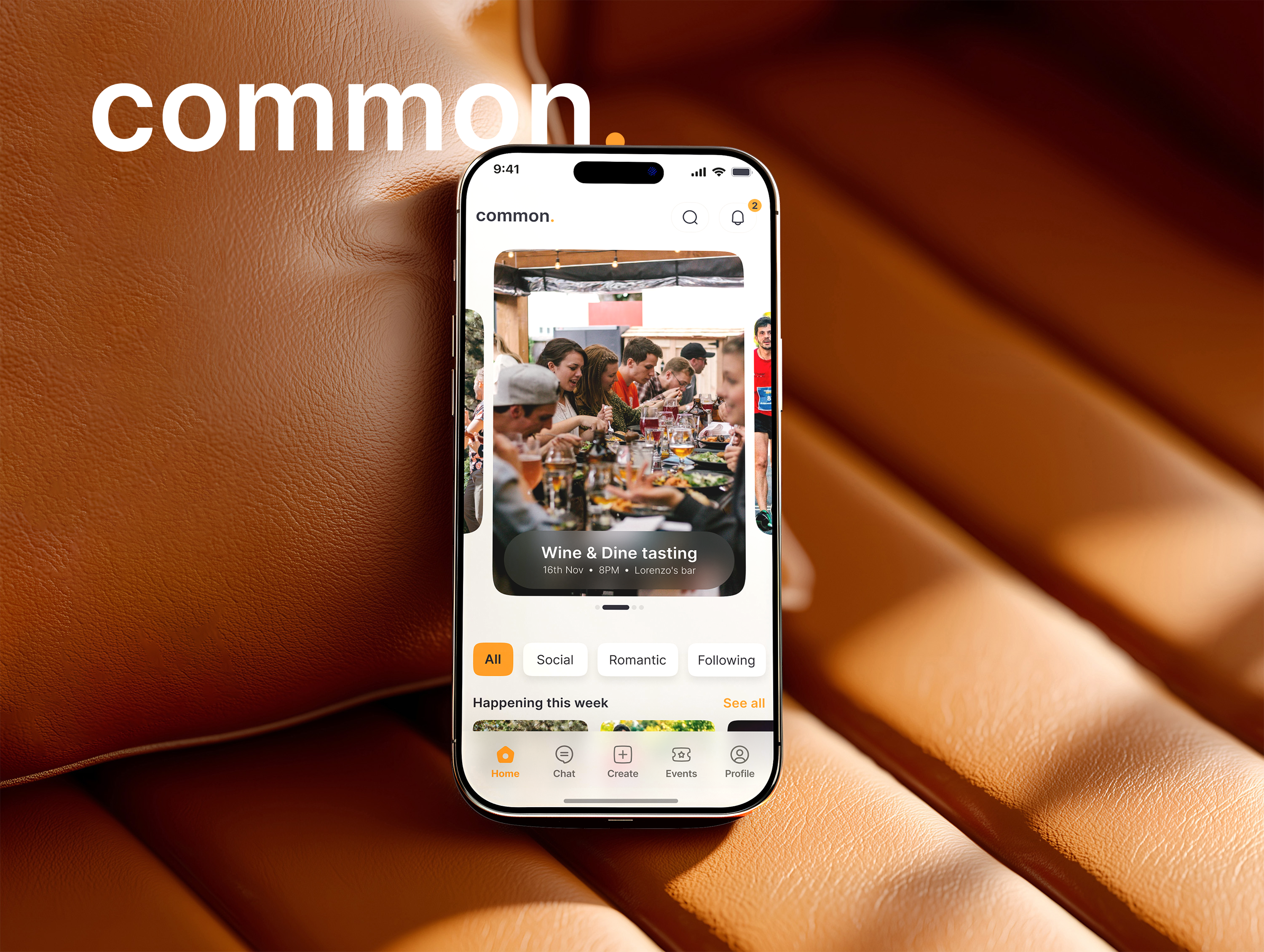
An app for meeting real people, redesigned around trust
Common makes meeting people simple: anyone can host or join real, local events in seconds. We redesigned the app so it felt simple, safe and easy for strangers to meet.
Read the full story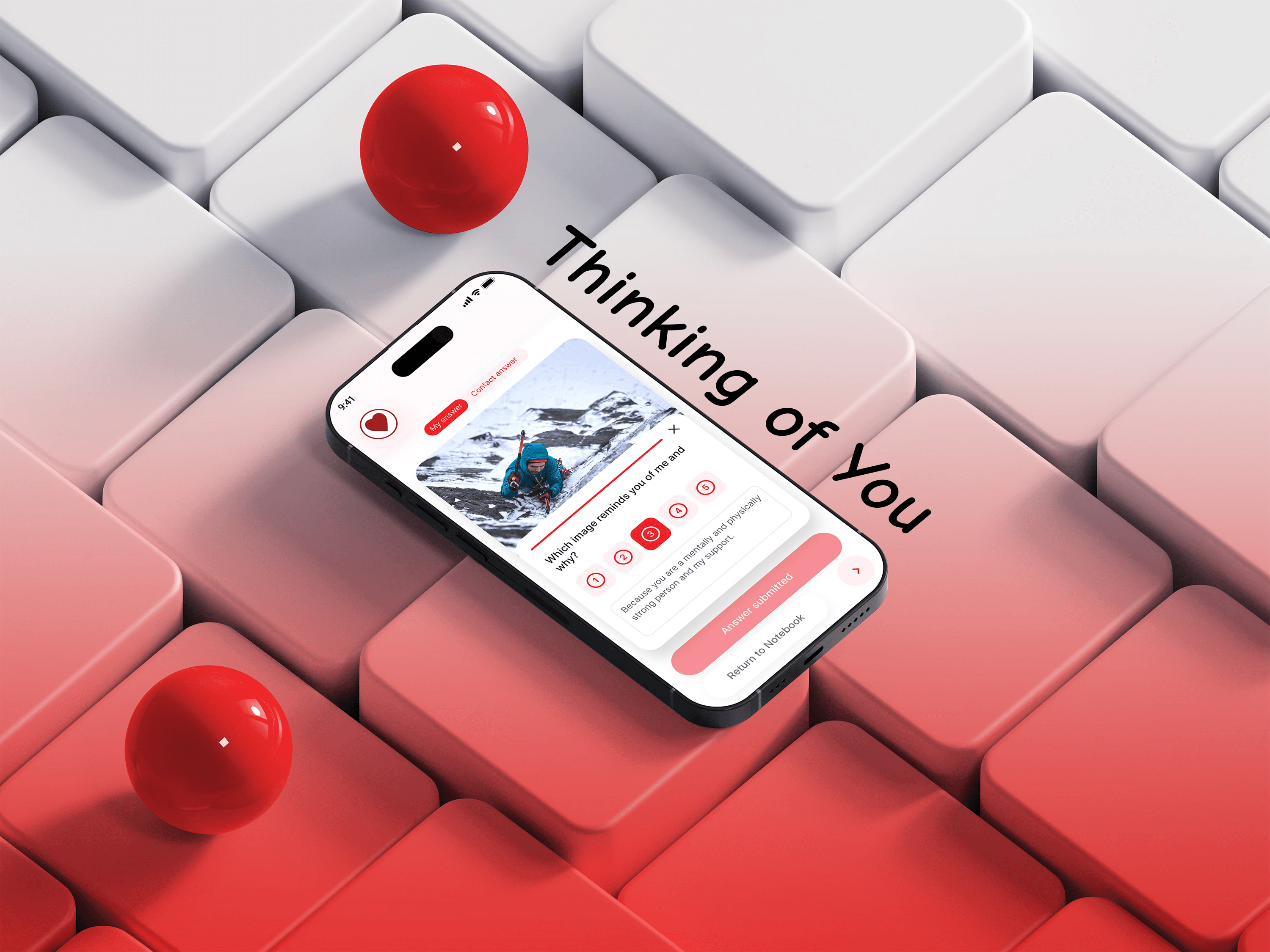
An app for couples that keeps the spark alive
Christopher wanted to help partners stay close when work and life get in the way. We built a minimalist app where one tap tells your partner you are thinking of them, and daily questions bring you back to each other.
Read the full story
A launch website for an AI product, with a logo that flies
Realtor Copilot needed a website to introduce its AI to real estate agents. We defined the brand around their logo, turned the bird in it into an interactive 3D animation, and built a minimal, highly interactive site in Webflow.
Read the full story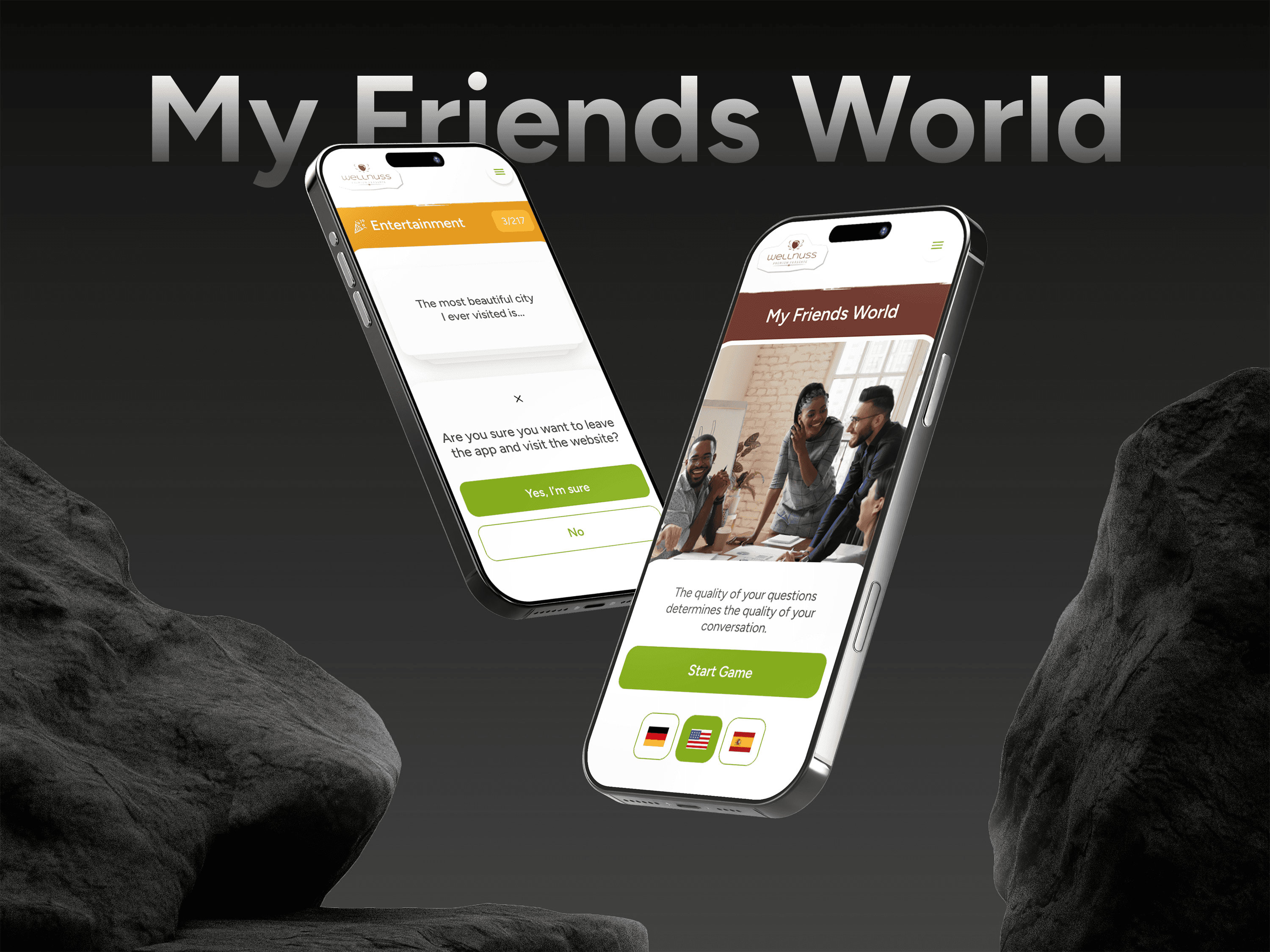
A quiz app in every cookie box, to help a B2B brand sell to everyone
Wellnuss makes premium cookies for companies and their meetings. To start selling to everyone else, they wanted a reason to buy more. We built My Friends World: a quiz app people open from a QR code in the box and play while they eat.
Read the full story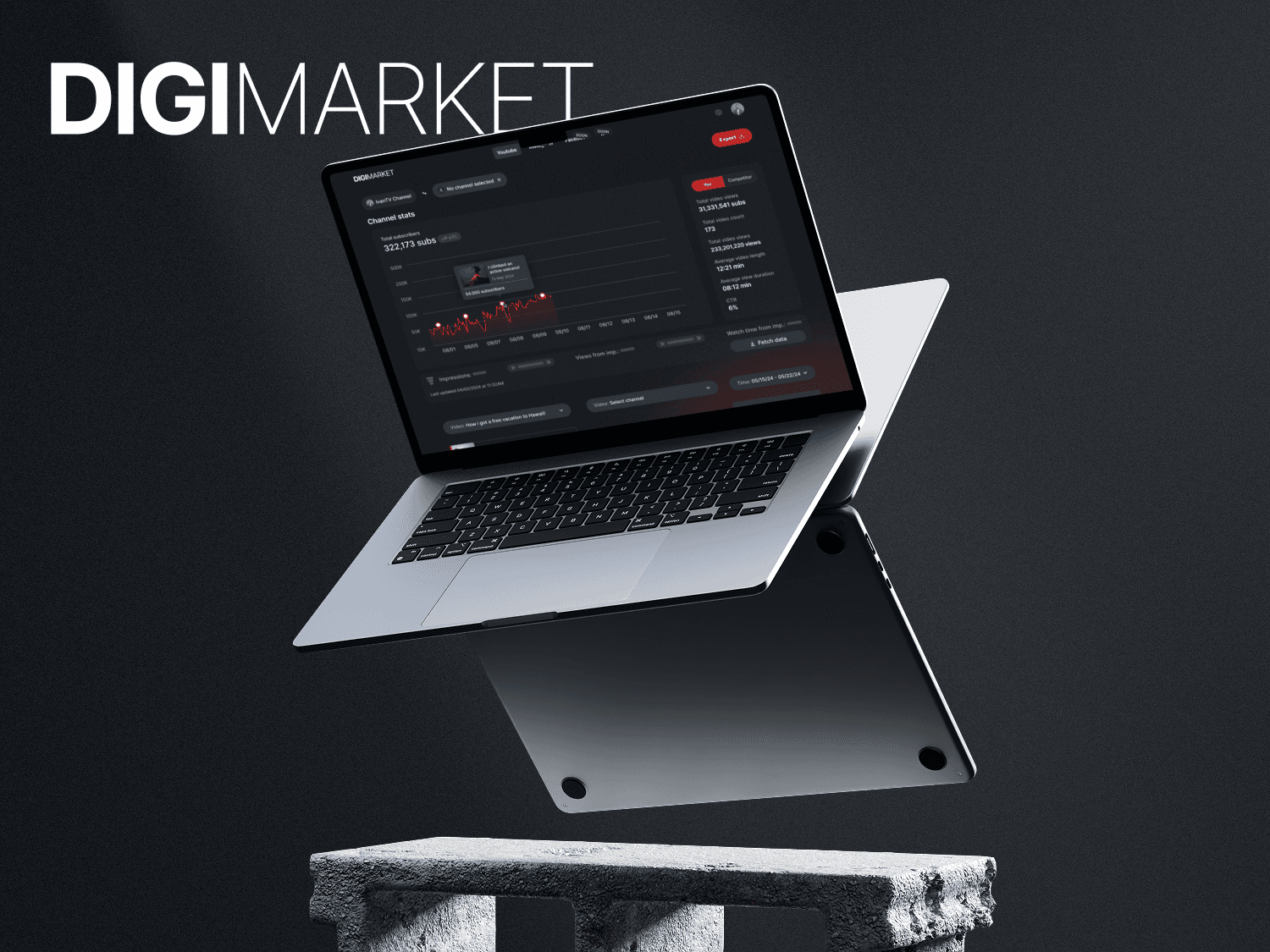
Competitor intelligence for YouTube creators, built on the YouTube API
Madelyn wanted to give creators real data on their channels and their competitors: subscribers, impressions, click-through rates, thumbnails and trends over time. A full team designed and built the platform in about two and a half months, then took it as far as the YouTube API allows.
Read the full story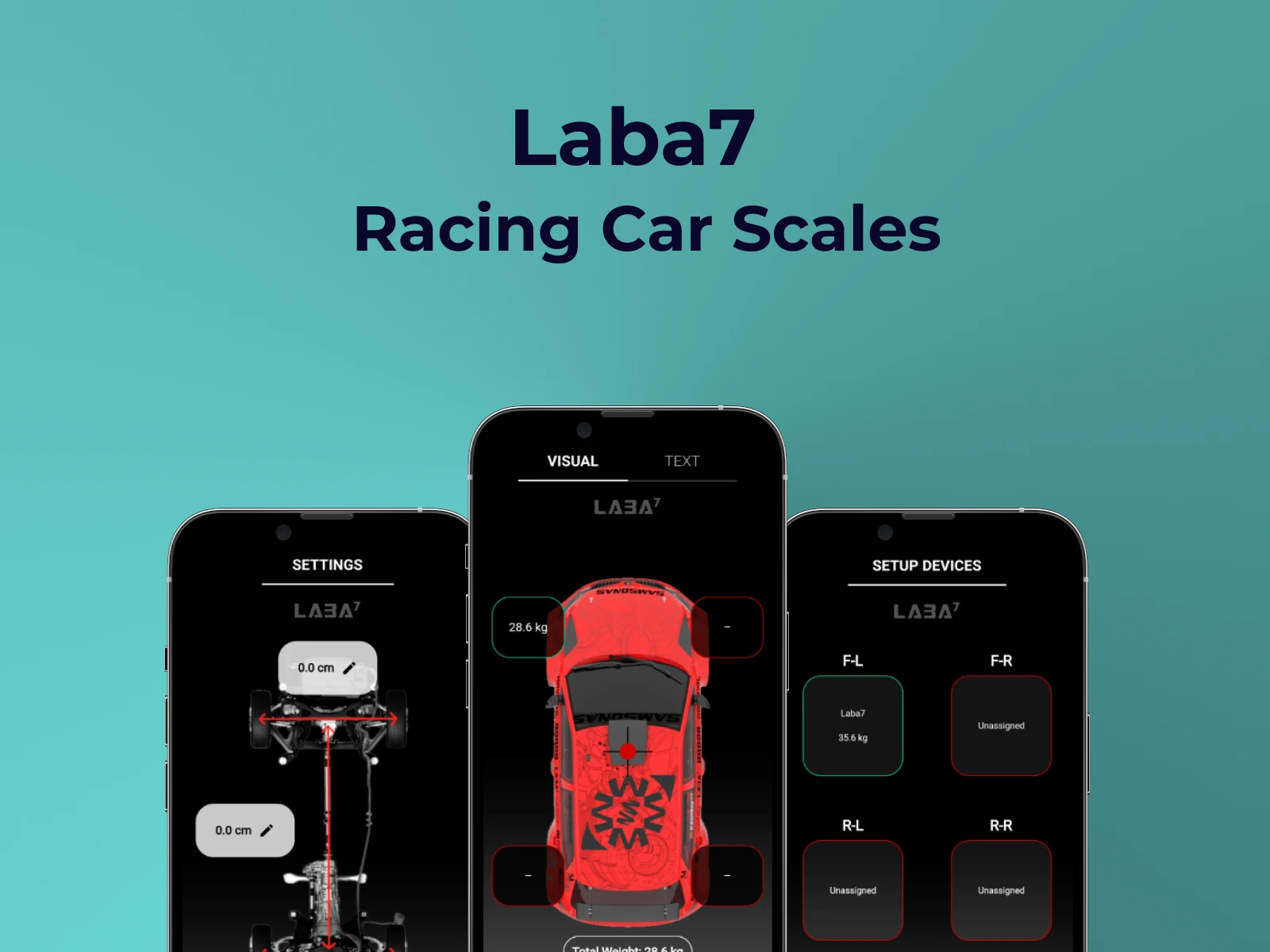
Race-car corner weights, live on your phone
LABA7 builds precision testing equipment for motorsport. Their wireless corner weight scales needed a phone app that connects to every scale and shows the readings in real time. We built it in Flutter, with native Swift and Kotlin where Bluetooth needed it.
Read the full story