A budgeting app withidentity verification built in from day one
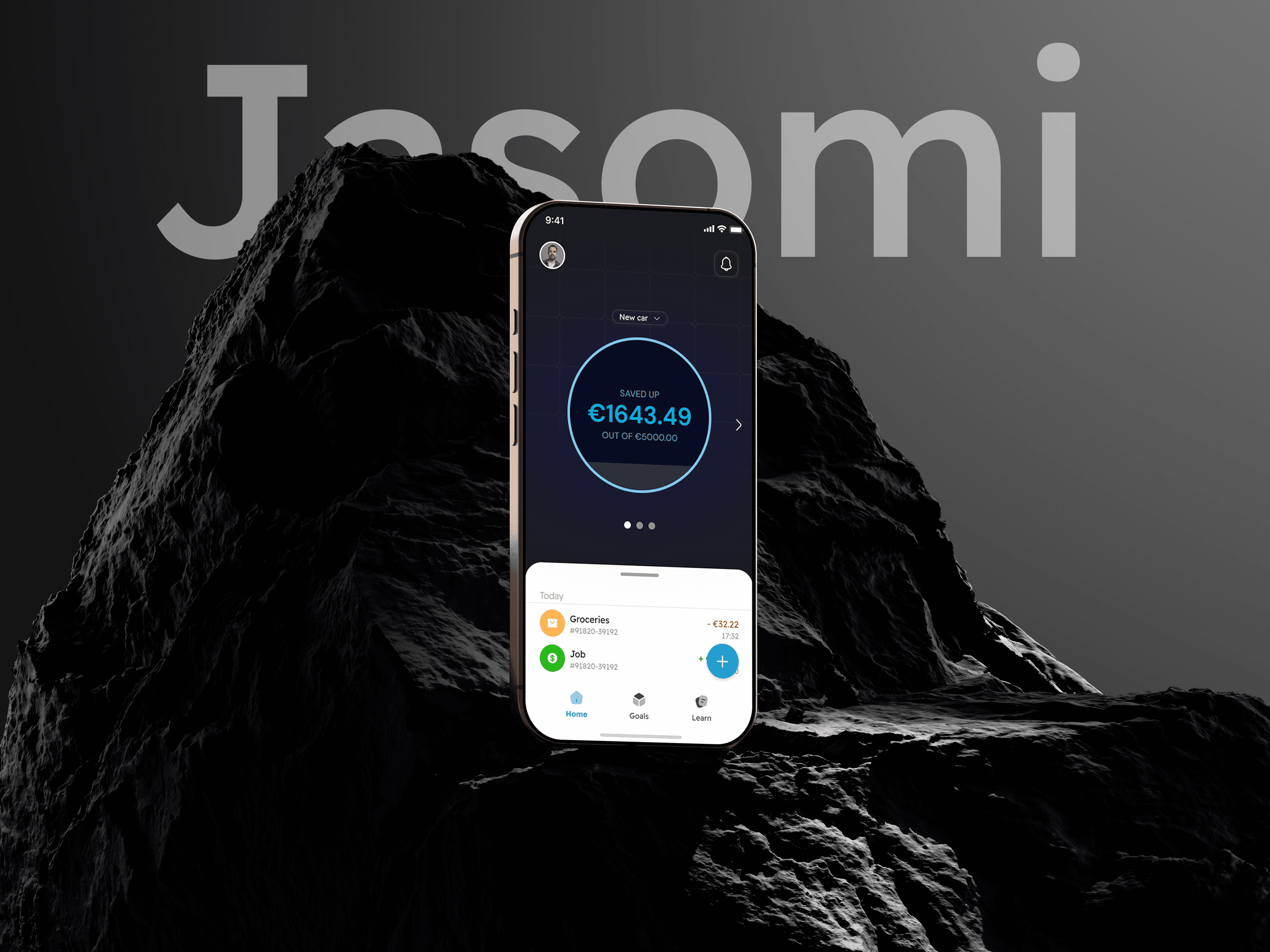
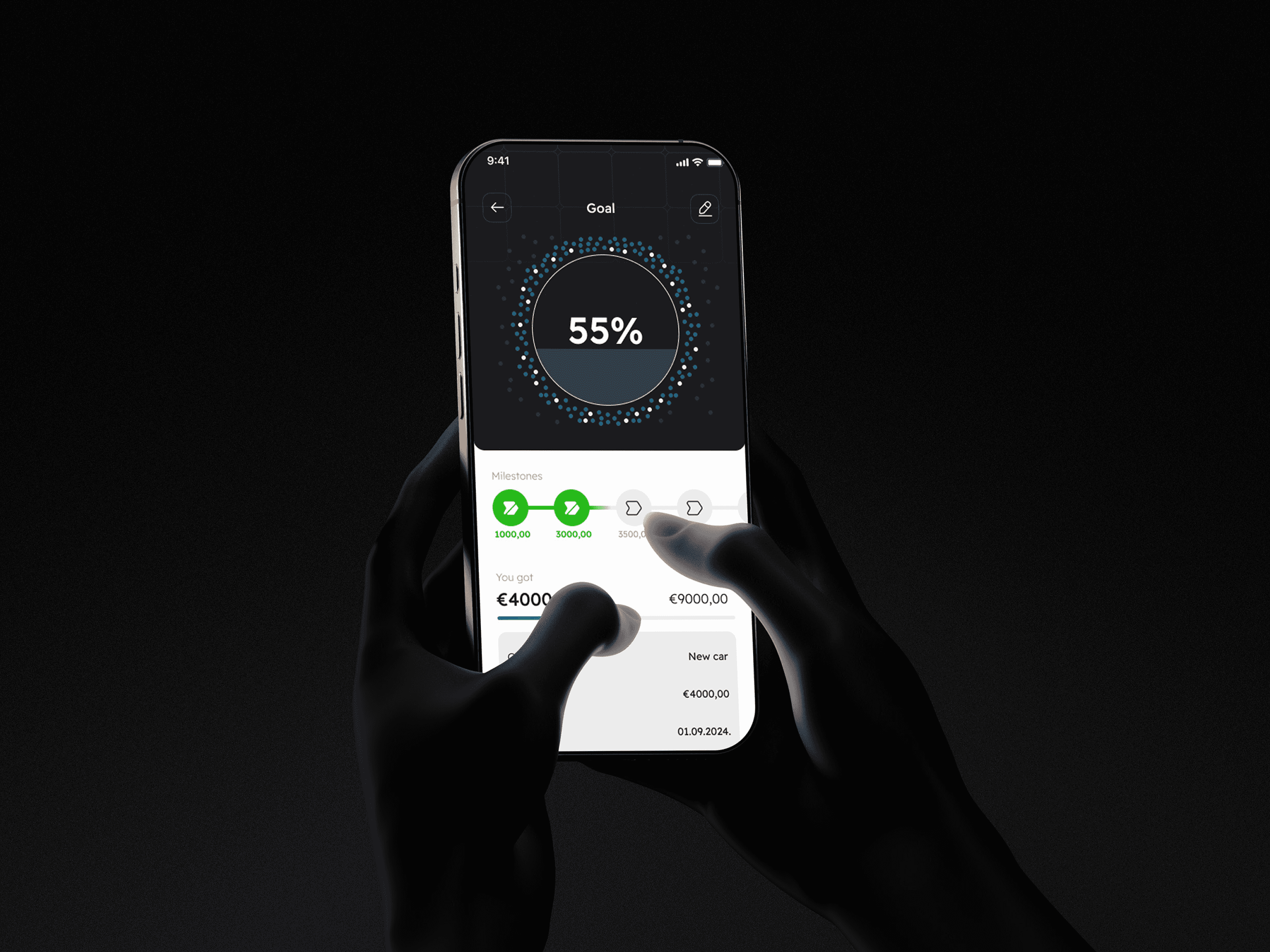
Nico had a clear idea: help people organise their money and actually understand it. He did not have a developer. We ran discovery, designed the product and shipped a React Native app to both stores, with identity verification and bank account connection built in from day one.
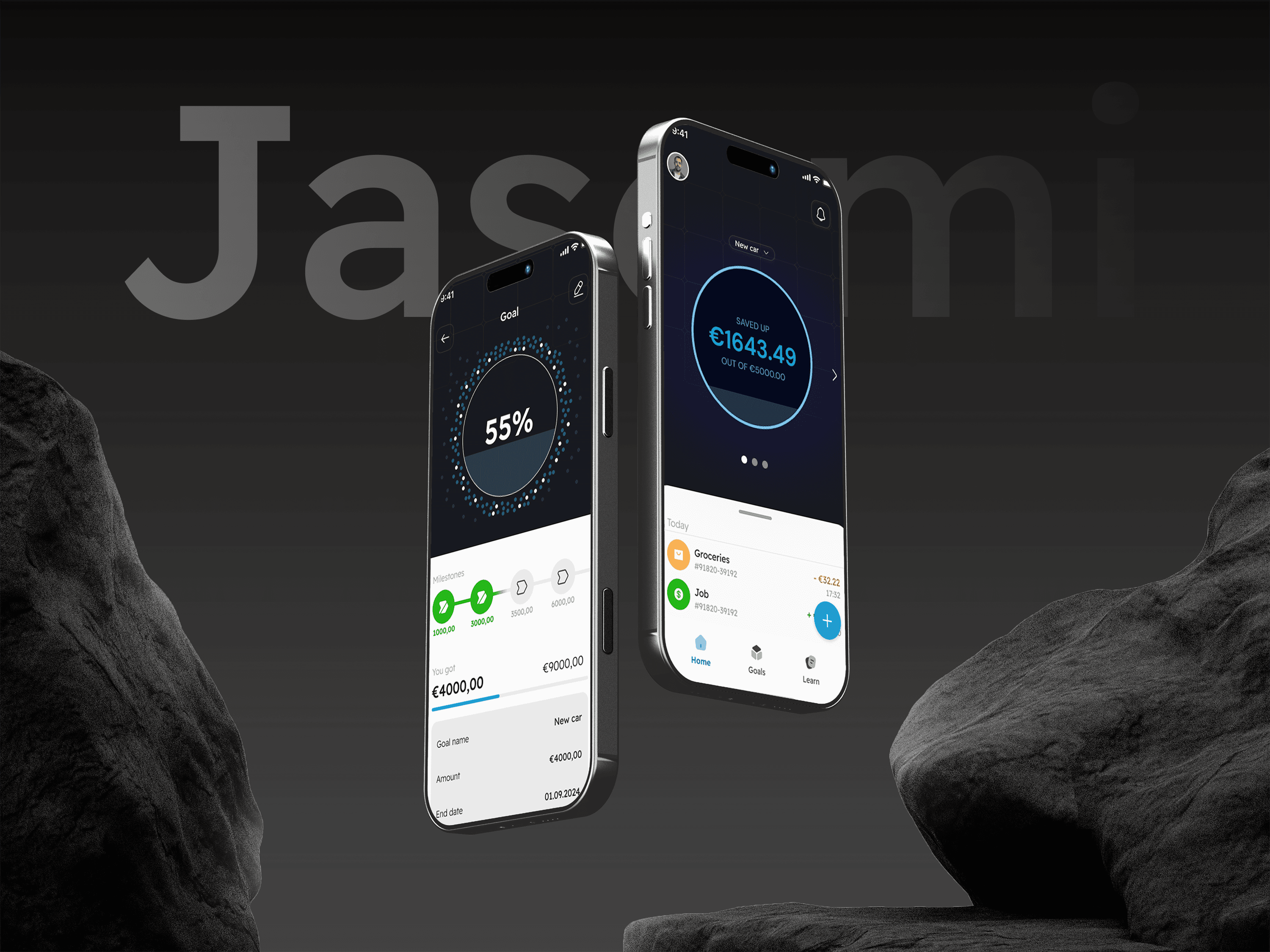
Project in facts
- IndustryFinTech
- ClientJasomi, Switzerland
- Timeline3 to 4 months from discovery to launch
- Team2 to 3 people (product lead, designer, developer)
- What we didDiscovery & Blueprint, UX/UI Design, Mobile Development
- StackReact Native (iOS & Android), Express.js, PostgreSQL, AWS
01. Where they started
Nico came to us with something most budgeting apps miss: a point of view. He did not just want people to track spending, he wanted them to understand their finances well enough to structure them properly. He had the domain knowledge and the vision. He had no app, no designs and no technical team.
He also had a constraint that changes everything in fintech: the app would handle real financial data and connect to real bank accounts. That means you cannot just let anyone sign up and start. You have to know who they are.
02. The hard part
Regulated onboarding is the part of a fintech build that scares founders the most, and for good reason. Identity verification at signup, document checks, a record of every decision the system makes and data that cannot leak. Get it wrong and you do not have a product, you have a liability.
The second problem was scope. Nico wanted to launch in months, not years, on both iOS and Android, without a large team. That meant being ruthless about what belonged in version one and picking a stack that let a small team move fast without cutting corners on security.
03. What we built
Discovery that asked the hard questions
Before we designed a single screen we dug into the vision: who the user is, what a budget looks like for them, what happens on day one versus day thirty. That is where the product got its structure, and it is the part of the process Nico still talks about.
Identity verification at signup (KYC)
Users verify who they are before they touch financial data. Document checks are built into onboarding, every verification decision is logged, and the flow is short enough that people actually finish it.
Bank account connection
Jasomi connects to users’ accounts so budgets reflect real money, not manual entry. Personal and financial data is encrypted and access is limited to what each part of the app needs.
One React Native app, two stores
A single codebase for iOS and Android so the small team could ship both without doubling the work, backed by an Express.js API on PostgreSQL, hosted on AWS.
Fast iteration, no surprises
Weekly progress updates and quick turnaround on changes. Nico saw the product take shape every week rather than waiting for a big reveal at the end.
Data and compliance work shipped: Identity verification at signup, document checks, audit trail for every decision, encrypted personal and financial data.
04. What happened
Jasomi launched on the App Store and Google Play with regulated onboarding already in place, which is the part most first-time fintech founders end up bolting on later at much higher cost. The product Nico described in discovery is the product that shipped.
He owns the code, the designs and the infrastructure, and has a foundation that can take on features like insights and financial education without a rebuild.
“I had an idea for a budgeting app but needed someone to turn it into reality. Luka and his team didn’t just build Jasomi - they dug deep into my vision during the discovery phase, asked the right questions, and structured the project for success. Communication was fast, changes were implemented quickly, and the end result was exactly what I wanted.”

Hear it from Nico directly.
05. What this means for you
If your idea touches money, identity or anything regulated, the onboarding is not a detail to figure out later. It shapes the architecture. We have built it before, so we know which parts are hard, which parts are standard and how to keep the whole thing from eating your budget.
And if you are worried a small team means a slow build: Jasomi went from first conversation to two app stores in three to four months with two to three people.
Have an idea you want to build?
Book a free discovery call. We'll tell you honestly what it would take, what it costs, and whether it's the right time to build. No pressure.
Book a Free Discovery CallMore case studies

From an idea in Knoxville to a live community app with 130+ businesses
Two co-founders with no technical background wanted one place where Knoxville could find local events, restaurants and services. We took it from a conversation to the App Store and Play Store, with a verified business directory behind it.
Read the full story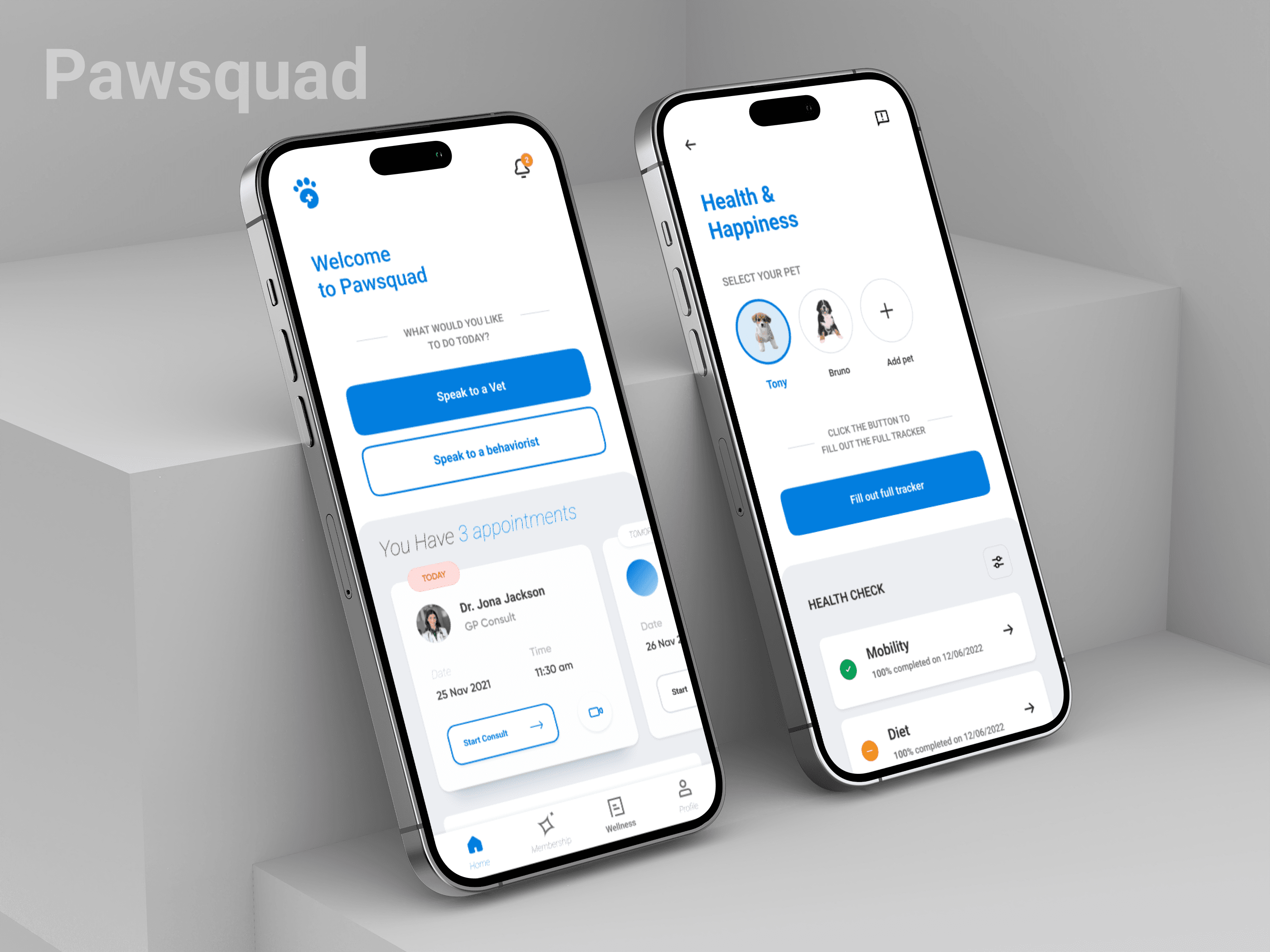
Rebuilding a veterinary telehealth platform that now serves 100,000+ pet owners
PawSquad already had customers and revenue. What it did not have was a platform that could keep up. We rebuilt the mobile app, the web app and the backend around the business that was already working, and stayed on as the team that keeps it growing.
Read the full story